
Home warranties: what they cover, what they don't, and whether a first-time buyer needs one
A plain-English look at the $500–900 policy every seller's agent will offer you, and when it is actually worth it.
A home warranty is not insurance. Homeowners insurance covers the house against things that happen to it — fire, a tree through the roof, a burst pipe flooding the basement. A home warranty is a service contract that covers things that wear out: the furnace that dies in January, the water heater that starts leaking in year 12, the dishwasher that quits.
It is sold heavily to first-time buyers for a reason: you have just spent every dollar you have, you inherited a house full of systems you did not choose, and a $6,000 furnace replacement in month three is the nightmare scenario. Whether it is worth it depends almost entirely on the age of what you bought.
What a typical plan covers
- Heating system and ductwork; central air if you add the systems-plus tier.
- Water heater, plumbing stoppages and leaks inside the house, sump pump on many plans.
- Electrical system: panel, wiring, outlets, switches.
- Kitchen appliances: range, oven, dishwasher, built-in microwave, refrigerator (sometimes an add-on).
- Washer and dryer, usually on the appliance or combo tier.
What it almost never covers
- Anything that was already broken or improperly installed — 'pre-existing conditions', which is why an inspection report matters.
- The roof, the foundation, windows, and structural anything.
- Cosmetic damage, and 'code upgrades' the tech says are required before the repair.
- Well pumps, septic, pools and spas unless you buy the add-on.
- The full replacement cost of a high-end unit: plans carry per-item caps, commonly $1,500–5,000.
The real math
Plans run roughly $45–80 a month, or $500–900 a year paid up front, plus a service fee of $75–125 every time a technician comes out. On a house where the furnace, water heater and appliances are all under ten years old, you will probably pay more in premiums than you claim. On a house with a 20-year-old furnace and original appliances, one claim pays for three years of coverage.
The best version of a home warranty for a first-time buyer is the one someone else pays for. Ask for it in your offer — sellers in Massachusetts routinely agree to a one-year plan as a concession — or put 'Home warranty (first year)' on your jar and let a relative fund the peace of mind.
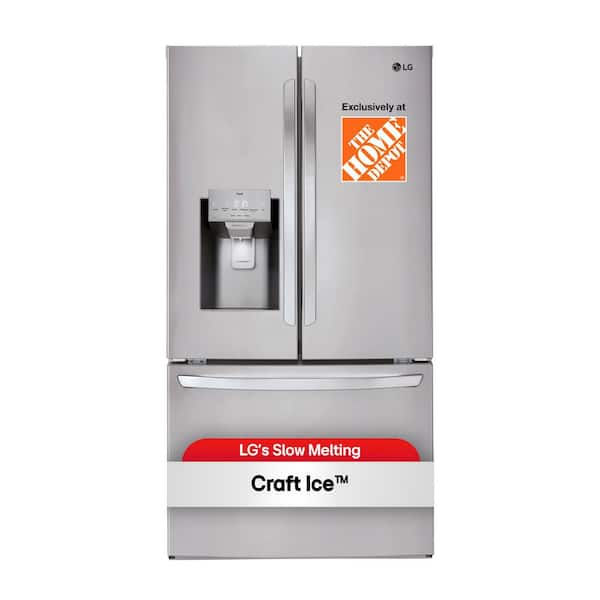 LG 36 in. 28 cu. ft. 3-Door French Door Refrigerator w/ Ice & Water, Craft Ice, PrintProof Stainless$1,799 · The Home Depot
 LG 29 cu. ft. SMART InstaView 4-Door French Door Refrigerator, Stainless, Craft Ice$2,699 · The Home Depot
 Samsung Bespoke 36 in. 29 cu. ft. 4-Door French Door Refrigerator with Sphere Ice, Stainless$1,799 · The Home Depot
 Hisense PureFlat 26.6 cu ft 36 in. French Door Refrigerator with Ice Maker, Stainless$1,099 · Lowe's
 GE 27 cu ft 3-Door 36 in. French Door Refrigerator with Ice Maker, Stainless$1,699 · Lowe'sLG 28.6 cu ft 36 in. French Door Refrigerator with Mini Craft Ice$1,099 · Lowe's
 Google Nest Learning Thermostat (4th gen) with Temperature Sensor, Polished Obsidian$240 · Best Buy
 Google Nest Smart Programmable Wi-Fi Thermostat, Snow$100 · Best Buy
 ecobee Enhanced Smart Thermostat with Alexa, HomeKit & Google Assistant$170 · Best Buy
 Rheem Performance 50 Gal. Tall 38,000 BTU Natural Gas Water Heater (6-yr warranty)$729 · The Home Depot
 Rheem Performance Platinum 50 Gal. 40,000 BTU Natural Gas Water Heater (12-yr warranty)$929 · The Home Depot
 Rheem Performance Plus 50 Gal. 40,000 BTU Natural Gas Water Heater (9-yr warranty)$829 · The Home Depot
 Hessaire DIY 22 SEER2 12,000 BTU Wi-Fi Ductless Mini Split AC + Heat Pump$799 · The Home Depot
 Karl home 20 SEER 12,000 BTU Wi-Fi Ductless Mini Split AC Heat Pump$450 · The Home Depot
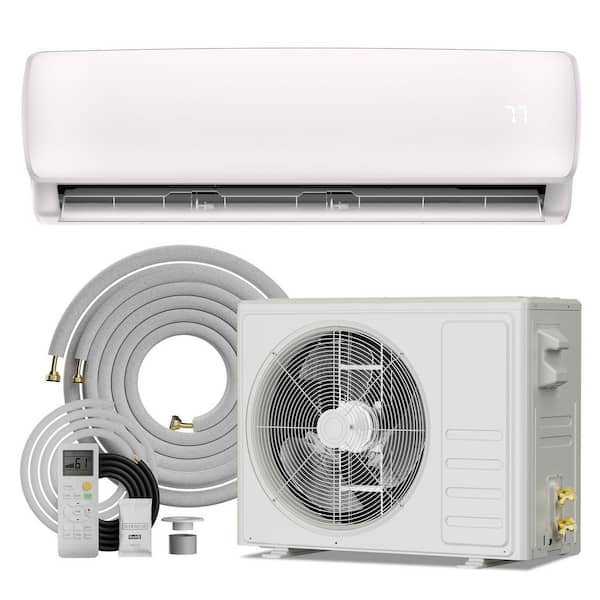 Uthfy 12,000 BTU 19 SEER2 Ductless Mini Split Heat Pump$600 · The Home Depot
Some links on this page are affiliate links: if you buy through them, DreamHomeJar may earn a commission at no extra cost to you. Nothing here is an endorsement by the buyers. As an Amazon Associate, DreamHomeJar earns from qualifying purchases.
Mortgage lenders only count gift funds from eligible donors (generally relatives, or people with a documented family-like relationship), and every gift needs a signed gift letter and a paper trail. DreamHomeJar never holds or transfers jar money and does not guarantee any contribution will qualify as mortgage gift funds. Ask your lender before you count on it. This guide is general information for Massachusetts buyers, not legal, tax or lending advice; figures are typical ranges as of 2026.